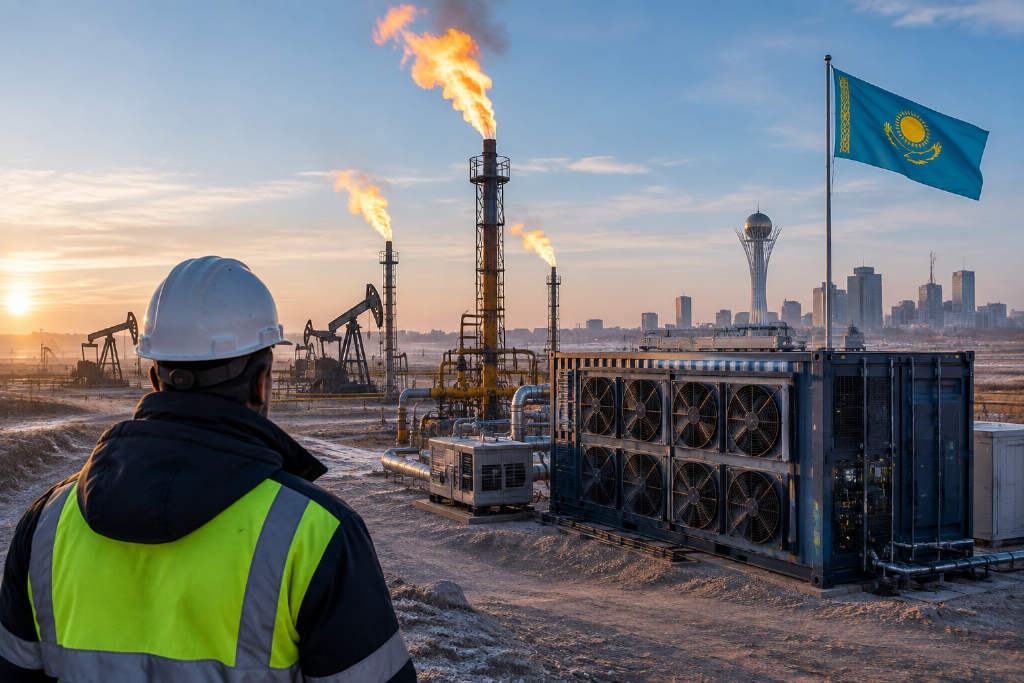
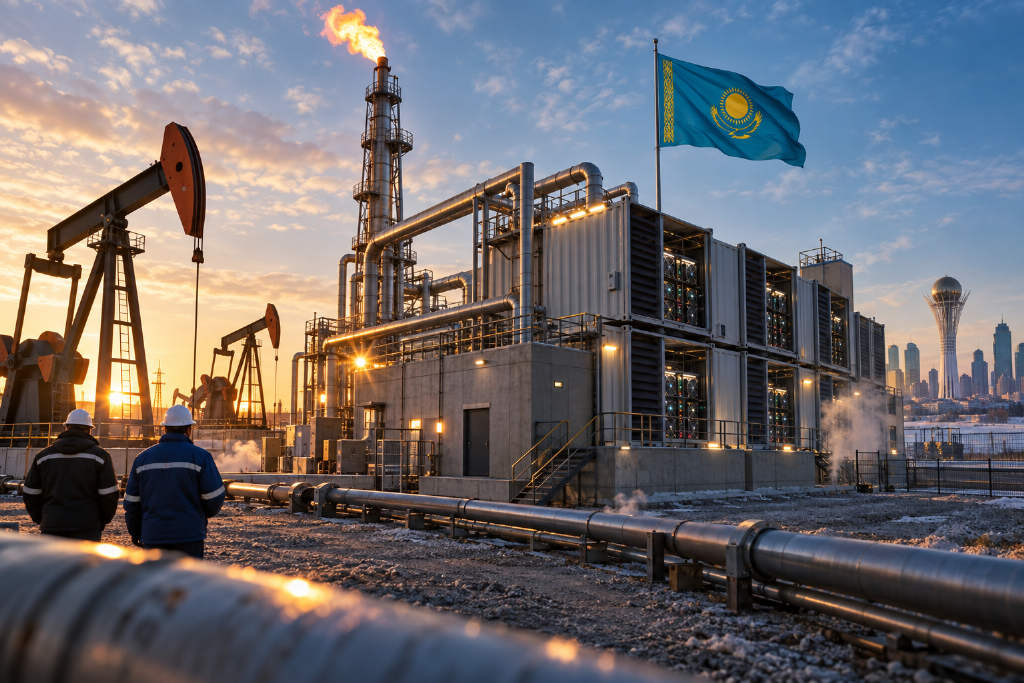
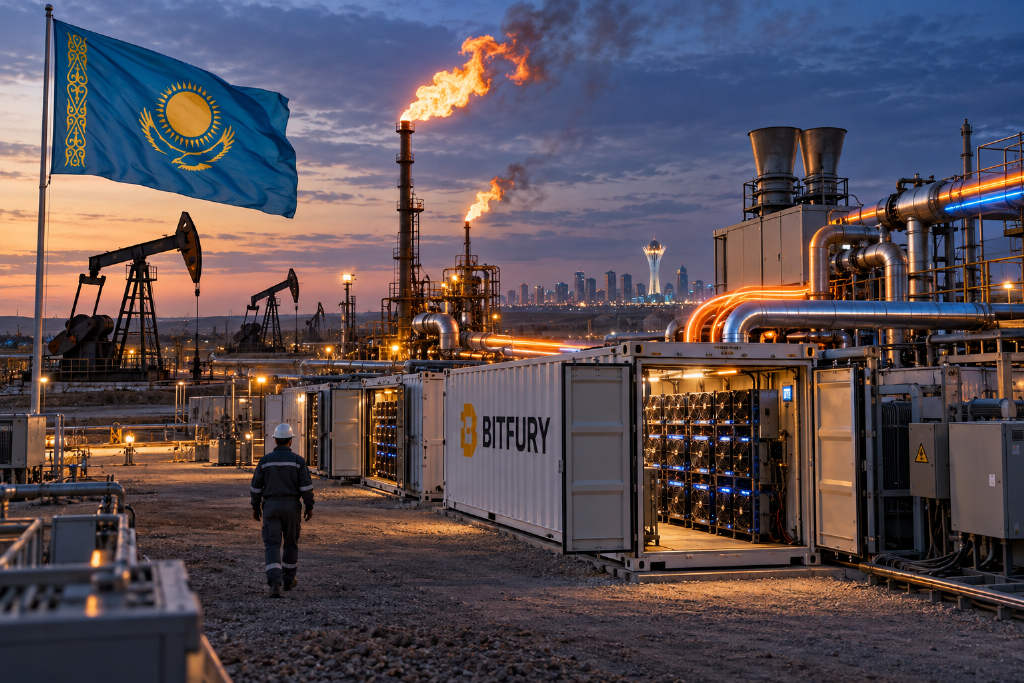
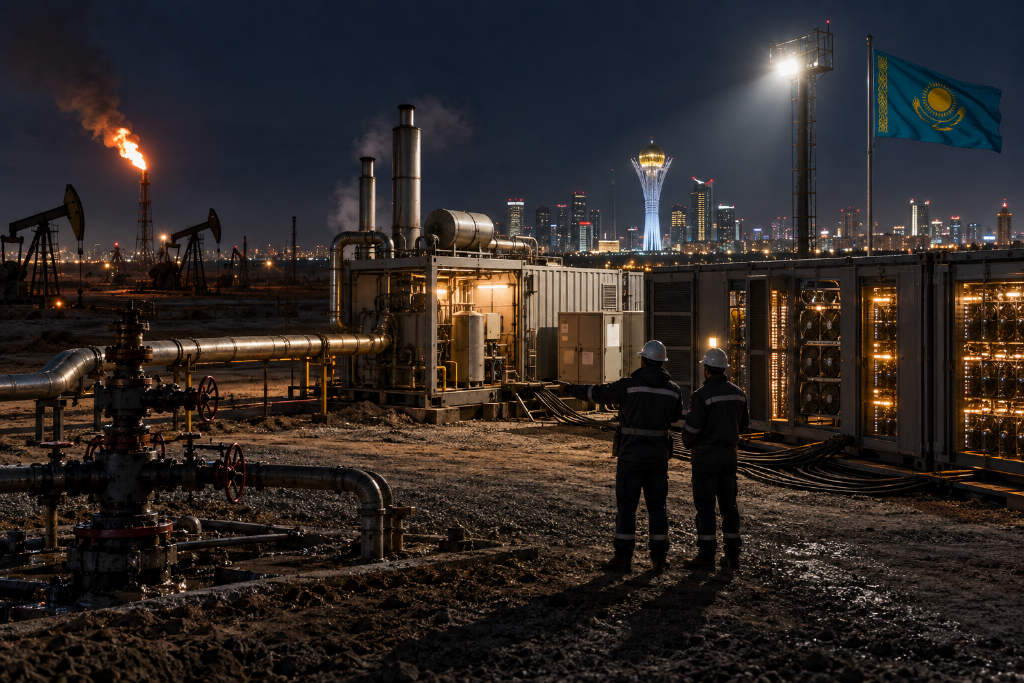
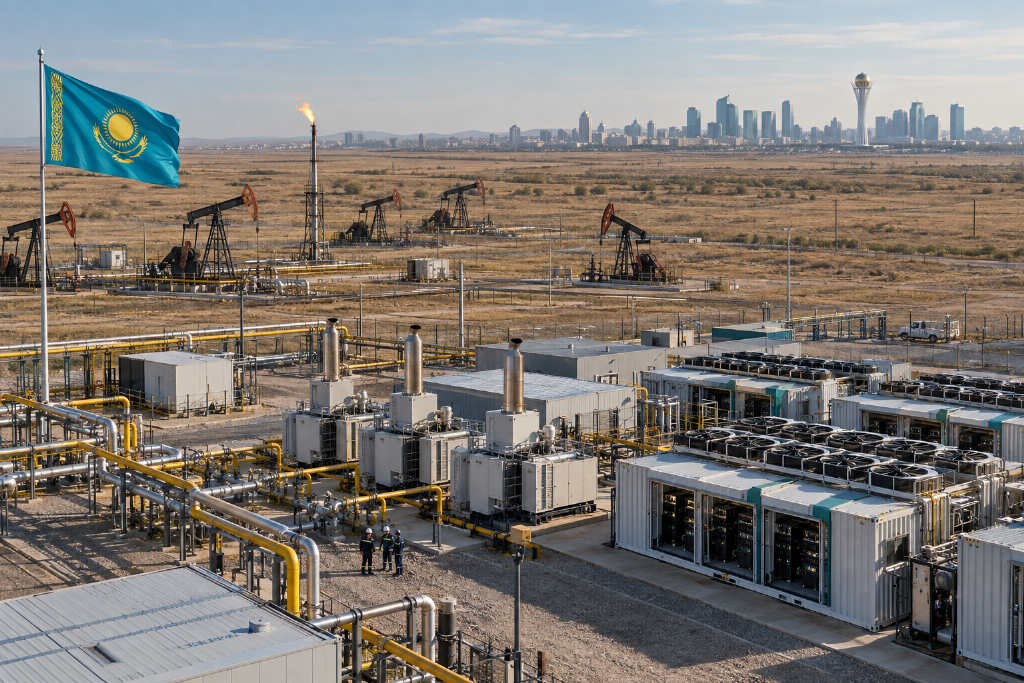
Kazakhstan2026-09-29 15:31:54Kazakhstan drafts rules for mining with flared gas from oil fields, with up to 60 sites involvedKazakhstan is drafting rules that would allow cryptocurrency mining powered by natural gas currently being flared at oil fields, according to a post by Bitcoin News on X. The move is being prepared under a decree from President Kassym-Jomart Tokayev. The country had previously auctioned off grid electricity and moved most of the mining industry away from its aging power grid. Daniyar Mubarakov of the Blockchain and Digital Mining Association told Euronews that the gas in question could generate 1.2 to 1.3 terawatt-hours of electricity. Data from Kazakhstan’s Energy Ministry shows that as many as 60 oil fields may have flared gas available for this use. The report points to a possible new power source for mining operations without adding new facts beyond the disclosed policy work, energy estimate, and field count.180
Kazakhstan2026-09-28 04:13:01Kazakhstan moves to power crypto mining with associated gas, with up to 1.3 TWh availableKazakhstan is advancing a plan to use associated petroleum gas to supply electricity for cryptocurrency mining, in an effort to revive a sector that was hit by power restrictions. President Kassym-Jomart Tokayev signed a decree in July ordering the development of a mechanism that would allow companies to use associated gas for digital mining. According to Daniyar Mubarakov, head of the Blockchain and Digital Mining Association, the country’s associated gas volumes could be converted into 1.2 to 1.3 terawatt-hours of electricity, enough to support the construction of medium-sized or large data centers or Bitcoin mining farms at some oil fields. The Energy Ministry estimates that as many as 60 oil fields in Kazakhstan generate associated gas. Under the proposal, oil companies could sell waste gas to miners and cut disposal costs worth millions of dollars, while miners could secure electricity prices for years and reduce reliance on the national grid. The government is also drafting a legal framework to define operating rules and regulate the market. Deputy Minister of AI and Digital Development Gizzat Baitursynov said the mechanism would increase government tax revenue and improve the environment.270
Kazakhstan2026-09-28 04:13:50Kazakhstan pushes associated gas-powered crypto mining to revive the sectorKazakhstan is moving to use associated petroleum gas to power cryptocurrency mining as it seeks to revive a mining industry that was hit by electricity restrictions. President Kassym-Jomart Tokayev signed a decree in July ordering the development of a mechanism that would allow companies to use associated gas for digital mining. Daniyar Mubarakov, head of the Blockchain and Digital Mining Association, said the country’s total associated gas output could be converted into 1.2 to 1.3 terawatt-hours of electricity. He said that amount would be enough to support the construction of medium-sized or large data centers or Bitcoin mining farms at some oil fields. Kazakhstan’s Energy Ministry estimates that as many as 60 oil fields in the country produce associated gas. Under the proposed model, oil companies could sell otherwise wasted gas to miners and cut disposal costs worth millions of dollars, while miners could secure multi-year power prices and reduce reliance on the national grid. The government is also drafting a legal framework to define operating rules for companies and regulate the market, according to officials.280
Kazakhstan2026-09-26 10:26:44Kazakhstan pushes crypto miners to build power plants using associated gasKazakhstan is moving to have crypto mining companies build their own power generation facilities using leftover associated petroleum gas from oil fields, according to Euronews. The policy direction is aimed at cutting gas flaring, easing pressure on the national power grid, and increasing oil output. Data cited in the report shows the country flared about 300 million to 340 million cubic meters of associated gas in 2024. If that volume were used for electricity generation instead, it could produce an estimated 1.2 to 1.3 terawatt-hours of power. Kazakhstan’s Energy Ministry and other agencies are now working on a legal framework for the plan. The report points to a model in which mining operators supply their own energy from otherwise wasted gas rather than drawing that load from the public grid.250
Kazakhstan2026-09-25 12:12:01Kazakhstan approves flare gas power use for crypto minersKazakhstan has approved the use of flare gas from oil fields to generate electricity for crypto mining, according to Techub, which cited Crypto Briefing. The policy allows miners to work with oil companies and convert associated gas that would otherwise be burned off into power. Authorities presented the move as a way to cut energy waste and reduce emissions. The report added that the measure could also support the country’s mining sector. No further implementation details were provided in the brief.280
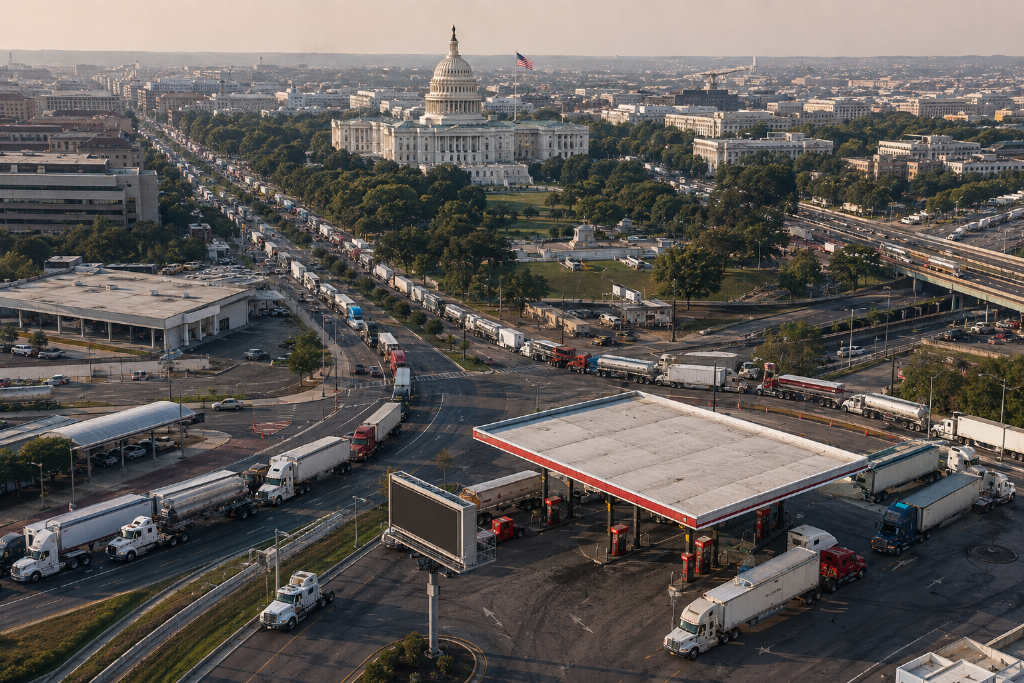
Trump2026-09-05 04:02:24Trump Faces Midterm Pressure as Diesel Prices Hit Record HighU.S. diesel retail average surpassed $5.85 per gallon, breaking the 2022 record; gasoline averaged $4.15. Surging fuel costs challenge Trump's promise to lower energy prices. Low inventories, rising exports, and global refinery outages strain supply. With midterm elections less than two months away, energy costs become a political liability.1000
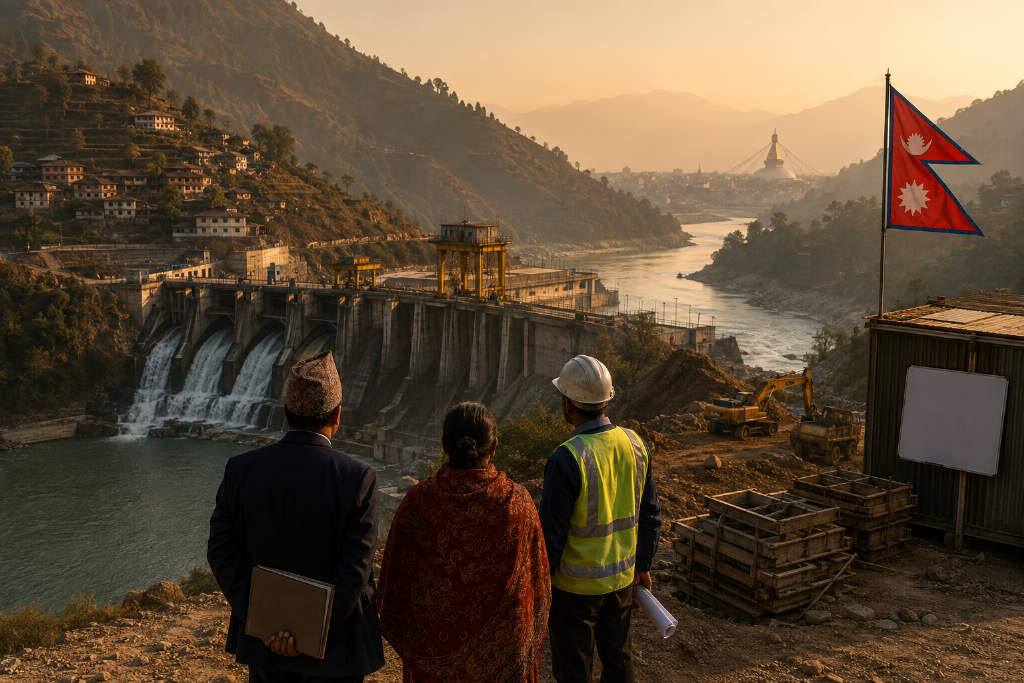
Nepal2026-09-03 22:08:31Techub says Nepal hydropower dam dispute is unrelated to Web3Techub said the item in question is not a Web3 story but a commentary on hydropower development in Nepal. The piece was written by Bloomberg columnist David Fickling and focuses on how hydropower projects can sit between flood control needs and environmental protection concerns. It also looks at the impact of dam construction on local communities, the state of development after international development banks pulled back, and the trade-offs between run-of-river generation and storage reservoirs. Based on Techub’s summary, the article belongs to the category of traditional energy policy and environmental debate rather than crypto or Web3.890
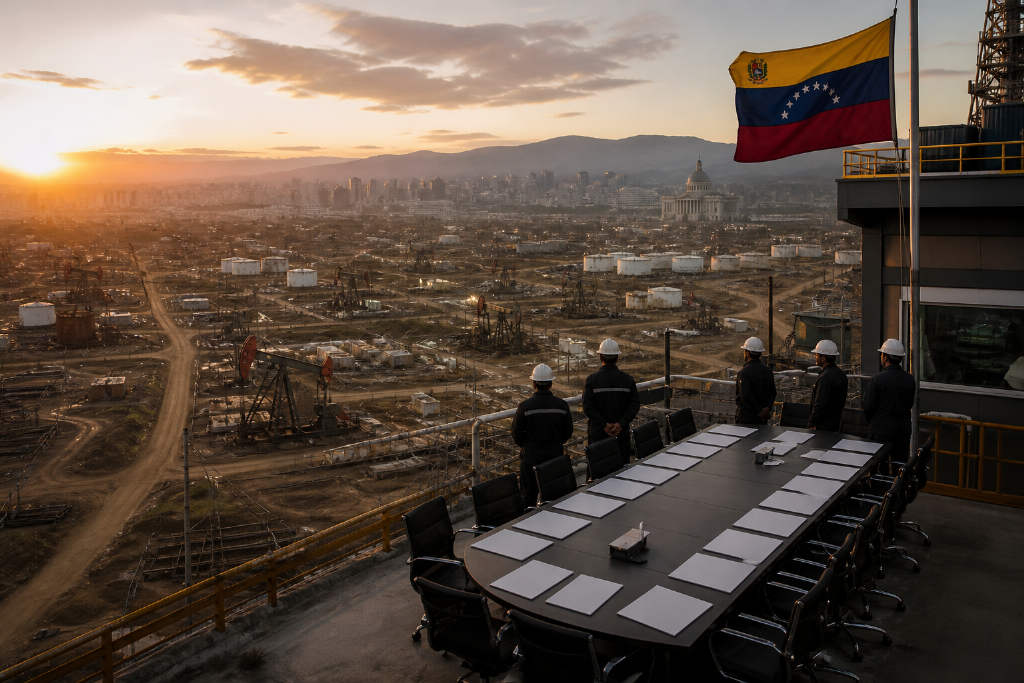
United States2026-09-01 12:33:35U.S.-Venezuela Oil Lease Sets 100-Year Term as Major Producers Hold BackThe U.S. government and North America Blue Energy Partners, a private oil company, have agreed to a 100-year lease covering 17 Venezuelan oil fields and about 65 billion barrels of crude reserves, according to BlockBeats. The agreement would give the U.S. government a 35% stake in NABEP’s parent company, a 20% share of physical oil output and priority rights to purchase the remaining production. NABEP plans to raise Venezuela’s crude output from about 170,000 barrels per day to more than 1 million barrels per day. The proposed expansion faces investor concerns linked to Venezuelan businessman Alejandro Betancourt, whose past ties to the Venezuelan government and previous investigations in the United States and Europe have drawn scrutiny. Exxon Mobil declined to comment, while ConocoPhillips said investment decisions would depend on policy stability and the rule of law. Chevron, Eni and Colombia’s GeoPark are advancing projects through existing joint ventures. A government draft obtained by Reuters projects Russia’s 2026 crude output at 494 million metric tons, or about 9.88 million barrels per day, the lowest level in 17 years. Western sanctions, Ukrainian drone strikes on refining facilities and fuel export restrictions are cited in the source as factors affecting Russia’s energy supply.870